Radon Testing Requirements & Laws for Landlords in Maryland
Why This Matters to You as a Landlord
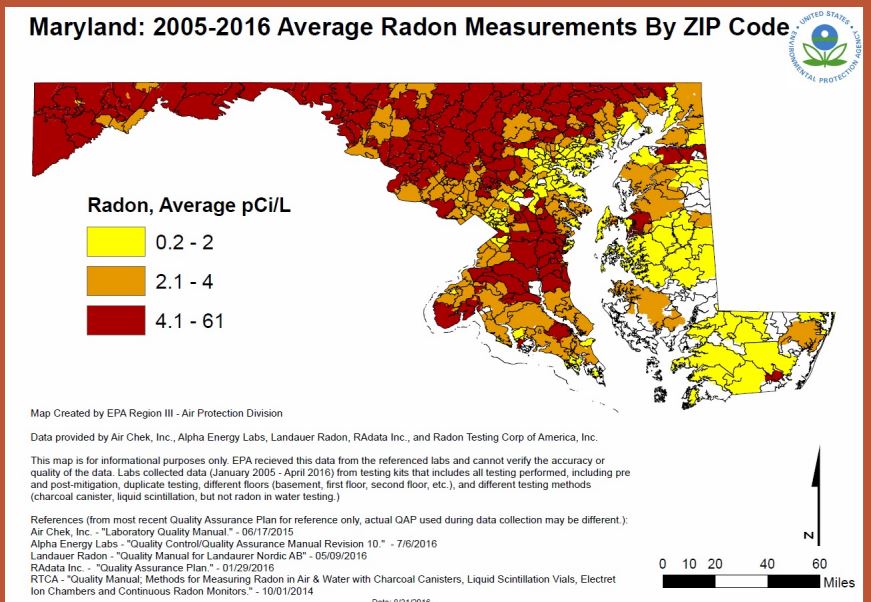
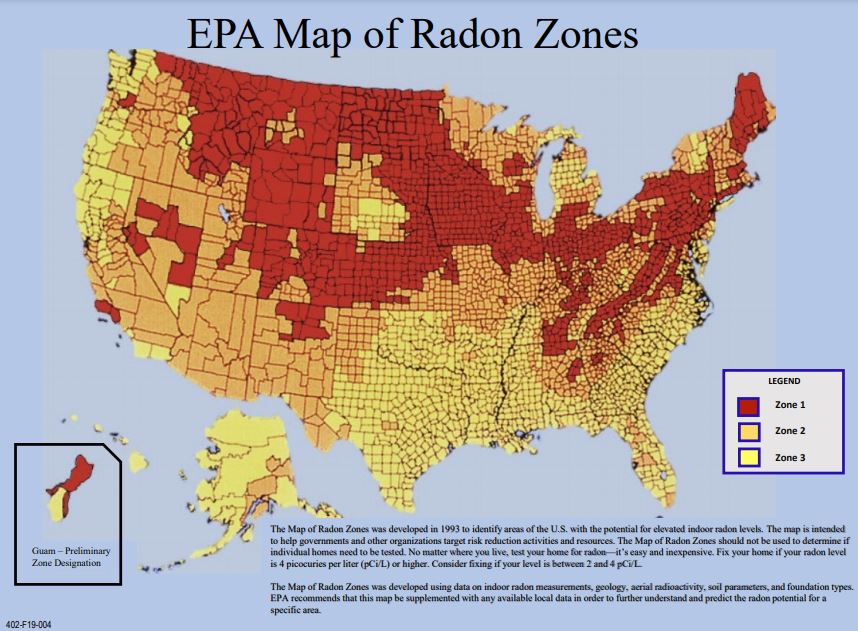
Radon is an invisible, odorless gas that seeps from the soil into homes and buildings. Long-term exposure can lead to lung cancer — the #1 cause of lung cancer among non-smokers according to the EPA.
For landlords, that means tenant safety is not just good practice — it’s a legal and financial responsibility.
High radon levels can exist in any type of home — single-family, basement apartment, condo, or multi-unit rental. Ensuring your properties are safe protects your tenants, your reputation, and shields you from costly legal disputes.
Key Maryland State Laws (Overview)
Maryland encourages radon testing and mitigation across all housing types.
According to the Maryland Department of Health, landlords should:
- Test rental properties for radon before occupancy or lease renewal.
- Disclose test results to current and prospective tenants.
- Take mitigation steps if radon levels are at or above 4 pCi/L — the EPA action level.
- Keep records of testing and mitigation work for at least three years.
While Maryland does not currently require statewide mandatory testing for every rental, local jurisdictions such as Montgomery County have enacted their own specific laws.
County-by-County / Local Ordinances
Montgomery County
Effective July 1, 2023, Montgomery County requires landlords to:
- Test all ground-contact rental units for radon before leasing.
- Provide written test results to tenants before they sign the lease.
- Perform mitigation if test results show 4 pCi/L or higher.
- Retest every three years or after any major renovation.
(Source: Montgomery County Department of Housing & Community Affairs)
Other Maryland Counties
Other counties — such as Frederick, Howard, and Anne Arundel — currently recommend testing but do not yet require it by law. However, future legislation is under review.
Proactive testing now will help you stay compliant if local rules expand.
What the Landlord’s Responsibilities Include
Based on the Montgomery County Code §29-35:
- Testing: Must be performed within three years prior to the start of a lease.
- Disclosure: Tenants must receive a copy of the results before signing.
- Mitigation: If radon levels exceed 4 pCi/L, the landlord must fix the issue and provide proof of mitigation.
- Record Keeping: Maintain documentation for at least three years.
- Lease Addendum: Attach the most recent test results or mitigation proof to the lease.
(Source: American Legal Publishing Corporation, Montgomery County Code)
Consequences of Non-Compliance
Ignoring these requirements can lead to serious issues:
- Tenants may terminate the lease if the property exceeds allowable radon limits and the landlord fails to mitigate.
- Fines and legal liability for failure to disclose or fix high radon levels.
- Health and safety claims if tenants become ill due to radon exposure.
Protect your investment by acting early — compliance costs far less than penalties or tenant disputes.
Best Practice Checklist for Landlords (Rental properties in MD)
✅ Test every rental before listing or renewing a lease.
✅ Hire an NRPP-certified professional for accurate testing.
✅ Keep digital and paper copies of reports for 3 years.
✅ Disclose results in writing to every tenant.
✅ Mitigate promptly if results are ≥ 4 pCi/L.
✅ Retest every 3 years or after renovations.
✅ Add radon language to your lease agreement.
Need a sample disclosure form or lease addendum?
We can provide templates upon request — just ask when you schedule your test.
How We Help
At ALFA Air Agency, Maryland’s #1 Radon Mitigation Contractor, we specialize in:
- Certified Radon Testing for rental properties
- Fast Turnaround Reports accepted by county officials.
- Full Mitigation Services with warranty and post-test included.
- Portfolio Discounts for landlords with multiple units.
We handle the entire process — from scheduling to documentation — so you stay compliant with zero hassle.
FAQ
Q: Is radon testing required for all Maryland rentals?
Statewide no, but counties like Montgomery require it. Others strongly recommend testing for safety and liability protection.
Q: My rental is above ground — do I still need to test?
Yes. Radon can travel through walls and utility openings, even reaching upper-level units.
Q: How long should I keep radon test results?
Keep records for at least 3 years; longer is even better for compliance audits or resale.
Q: How often should I retest?
Every 3 years or after any renovation, basement work, or tenant turnover.
Schedule Your Radon Test Today
Ensure your Maryland rentals are compliant and safe.
📞 Call 240-224-0577 or email [email protected] to schedule your professional radon test.
Protect your tenants — and your business — with certified testing and mitigation from ALFA Air Agency.