Radon Levels by ZIP Code: Radon Maps, Local Risk & What Your Results Mean
Radon Levels by ZIP Code: Can You Find Your Home’s Radon Level?
If you’re searching for radon levels by ZIP code, you’re probably trying to answer a simple question:
Is radon a problem where I live?
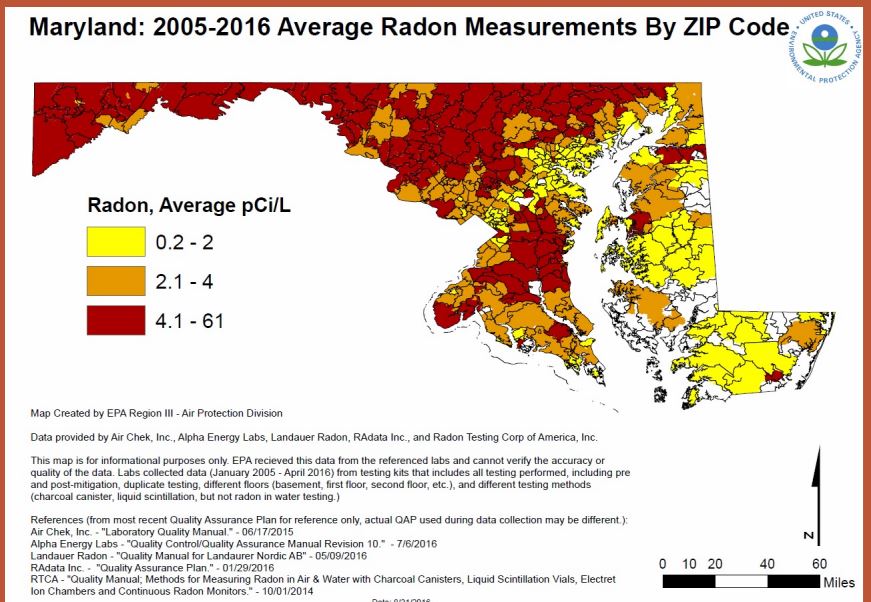
Radon maps, ZIP-code data and local testing records can help you understand the radon potential in your area. But they cannot tell you the actual radon level inside your home.
Two homes in the same neighborhood—even next door to each other—can produce different radon test results.
That’s because indoor radon levels are affected by many property-specific conditions, including the soil beneath the home, foundation construction, cracks and openings, sump pits, crawl spaces, ventilation and pressure differences between the home and the soil.
The EPA’s own radon map carries an important warning: the map should not be used to determine whether an individual home needs testing. Homes with elevated radon have been found in all three EPA radon zones, and all homes should be tested. US EPA
So think of a radon map by ZIP code as a risk indicator—not a radon test.
How to Check Radon Levels in Your Area
There are several ways to research radon where you live.
You can start with the EPA’s national radon map, look at state and local radon resources, and review available testing data for your area.
View the EPA Map of Radon Zones
The EPA also provides state-specific radon maps and supporting information.
When looking at radon levels by ZIP code, pay attention to where the data came from.
Some online maps may use EPA zones. Others may use state records, laboratory test results or privately collected measurements.
Three questions are especially important:
- What is the source of the data?
- How many homes were actually tested in that area?
- How recent are the results?
A ZIP code with hundreds or thousands of measurements provides different information than one represented by only a handful of tests.
And even excellent local data cannot predict the radon concentration in an individual house.
Understanding the EPA Radon Map
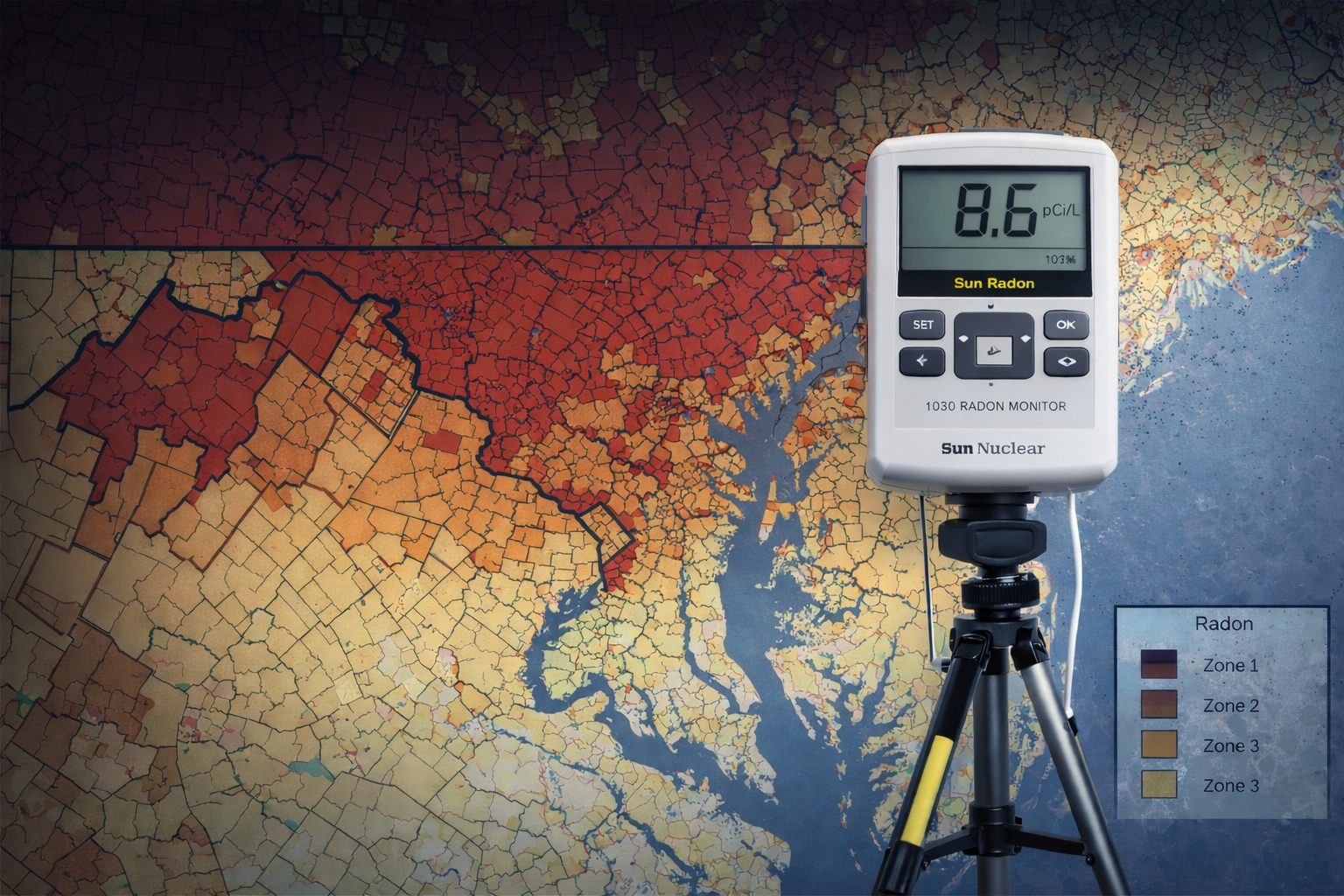
The EPA divides areas of the United States into three radon-potential zones.
Zone 1 — Highest Radon Potential
EPA Zone 1 represents areas where the predicted average indoor radon screening level may be greater than 4 pCi/L.
Zone 2 — Moderate Radon Potential
Zone 2 represents areas where predicted average indoor radon levels may fall between 2 and 4 pCi/L.
Zone 3 — Lower Radon Potential
Zone 3 represents areas where predicted average indoor radon levels may be below 2 pCi/L.
But there’s an important distinction:
Zone 3 does not mean “radon-free,” and Zone 1 does not mean every house has high radon.
The EPA developed the map using information including indoor radon measurements, geology, aerial radioactivity, soil characteristics and foundation types. Its primary purpose is to help governments and organizations understand regional radon potential and implement radon-resistant building practices—not to diagnose individual homes. US EPA
Why Radon Levels Can Vary Within the Same ZIP Code
Radon comes primarily from the natural breakdown of uranium in soil and rock. The gas can move through the soil and enter a building through openings in and around the foundation.
That means ZIP-code boundaries aren’t particularly meaningful to radon.
Homes within the same ZIP code can have different:
- soil and geological conditions;
- foundation types;
- slab cracks and construction joints;
- sump pits and drainage systems;
- crawl spaces;
- utility penetrations;
- basement configurations;
- ventilation and HVAC conditions; and
- pressure relationships between the soil and the building.
A neighbor’s radon result can therefore be useful information, but it cannot tell you your home’s radon level.
The same applies to a low result from another house on your street.
The only way to know whether your home has elevated radon is to test it. CDC currently gives the same guidance. CDC
Radon Levels in Maryland, Washington DC & the DMV
For homeowners in the Washington metropolitan area, local radon information is particularly useful because geology and radon potential vary throughout the region.
Maryland, Washington DC and Virginia are all part of EPA Region 3, and the EPA provides state and regional resources for each. US EPA
If you live in Montgomery County, Maryland, including communities such as Bethesda, Rockville, Gaithersburg, Germantown, Potomac or Silver Spring, an online map can help you understand regional radon potential.
But it still cannot answer the most important question:
What is the radon level in my house?
That requires a properly performed radon test.
Buying or selling a home?
Radon testing is especially important during a real estate transaction because the result applies to the property being purchased—not to its ZIP code, subdivision or neighboring homes.
The CDC recommends testing when preparing to buy or sell a home. CDC
Alfa Air Agency provides professional radon testing in Montgomery County, Maryland and Washington, DC, including testing for real estate transactions.
→ Book a Professional Radon Test
Radon Level Chart: What Does Your Test Result Mean?
Once you have tested the property, the ZIP code becomes much less important.
Now you have the information that matters: the actual radon concentration inside the home.
In the United States, radon in air is typically measured in picocuries per liter (pCi/L).
| Radon result | What it means | General next step |
|---|---|---|
| Below 2 pCi/L | Lower radon concentration | Keep the result and consider future retesting |
| 2–3.9 pCi/L | Elevated above the lowest achievable levels | Consider taking steps to reduce radon |
| 4 pCi/L or higher | EPA action level | Take action to reduce the radon level |
The EPA recommends fixing homes with radon concentrations of 4 pCi/L or higher and says homeowners should consider fixing homes measuring between 2 and 4 pCi/L. EPA also emphasizes that there is no known completely safe level of radon exposure. US EPA
Want a more detailed explanation of your number? Call Alfa Air Agency Radon Professionals team and we will guide you.
Basement Radon Levels: Why the Lowest Level Matters
Basements and lower levels deserve particular attention because radon typically enters buildings from the soil beneath and around the foundation.
Possible entry pathways include cracks in concrete slabs and foundation walls, construction joints, openings around utility penetrations, sump areas and crawl-space connections.
But there is no universal “normal basement radon level.”
A basement in one house may test low while another basement nearby tests above the EPA action level.
How the basement is used also matters. A lower level that becomes a bedroom, office, family room or other regularly occupied space should receive appropriate attention when deciding where to test.
CDC recommends testing when a previously less-used lower level will become more occupied—for example, when converting basement space into a bedroom or home office. CDC
Can I Use My Neighbor’s Radon Test?
No.
Your neighbor’s result is useful evidence that radon exists in the area, but it isn’t a substitute for testing your own property.
Imagine three houses on the same street.
One may have a sealed sump and an existing radon system.
Another may have cracks in an older basement slab.
A third may have a crawl space or a different foundation configuration.
Even though all three properties share the same ZIP code, their indoor radon concentrations can be different.
Test the house, not the ZIP code.
When Should You Test Your Home for Radon?
Consider testing when:
- the home has never been tested;
- you don’t know the previous radon result;
- you’re buying or selling a property;
- you’re planning major renovations;
- you’ve completed significant renovations;
- you’re converting a basement or lower level into regularly occupied space; or
- previous conditions in the home have changed.
EPA also notes that buyers may request a new test when an existing result isn’t recent, renovations have occurred since the previous test, or the buyer plans to occupy a lower level that wasn’t previously tested. US EPA
What Happens If Your Radon Level Is High?
A high radon result doesn’t mean the home can’t be lived in or sold.
Radon can be reduced.
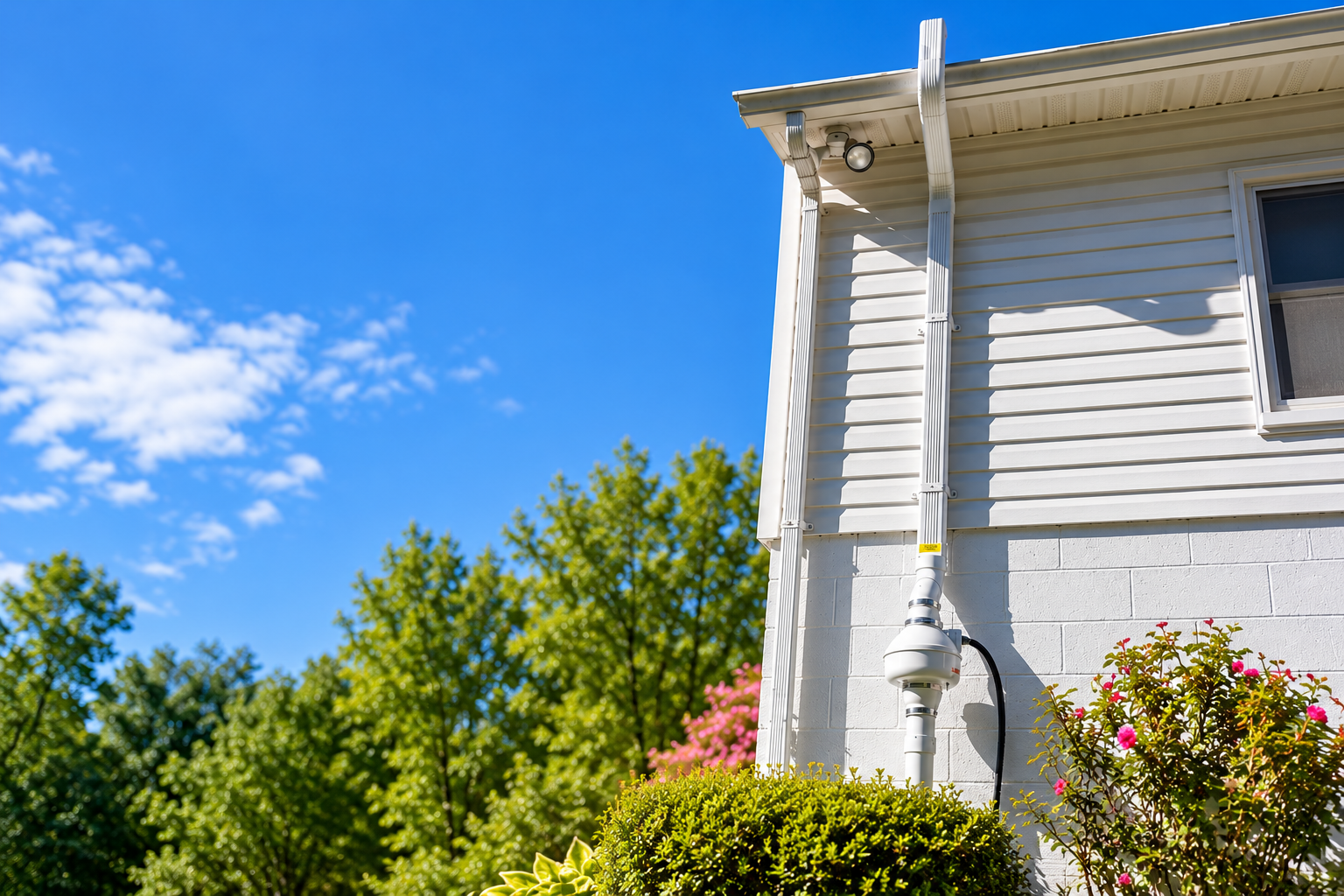
A common mitigation approach for homes with slabs or basements uses soil depressurization. A radon mitigation system creates negative pressure beneath the foundation and directs radon-containing soil gas through piping to a safe discharge point outdoors.
The appropriate system depends on the home’s construction, foundation, soil conditions and other factors.
After a mitigation system is installed, the property should be tested again to verify that radon levels were reduced. CDC also recommends periodic retesting and testing again after remodeling. CDC
→ Learn How Radon Mitigation Works
Radon Levels by ZIP Code: Frequently Asked Questions
Can I find my exact radon level by ZIP code?
No. ZIP-code data can show patterns or regional radon potential, but it cannot determine the radon concentration inside a particular home. A radon test is required.
Is there a radon map by ZIP code?
Several government and private resources provide geographic radon information. The EPA provides national, state and county-level radon-zone information, while other datasets may contain actual testing results. Always check the source and methodology behind a map before interpreting it.
Does a high-radon ZIP code mean my house has high radon?
No. It means there may be greater potential for elevated radon in the area. Your individual home may test higher or lower.
Does a low-radon area mean I don’t need to test?
No. The EPA states that elevated homes have been found in all three radon zones and recommends testing homes regardless of geographic location. US EPA
What radon level is considered high?
EPA recommends fixing a home at 4 pCi/L or higher and considering action between 2 and 4 pCi/L. US EPA
Are basement radon levels usually higher?
Radon enters primarily from soil and rock beneath and around a building, which makes lower levels particularly important for testing. However, you shouldn’t assume what a basement’s concentration will be without measuring it.
Should I test before finishing my basement?
Yes. CDC recommends testing before major renovations and testing again after the work because renovations can change indoor radon levels. CDC
Radon Near Me: Professional Testing in Maryland & Washington, DC
If you searched “radon levels by ZIP code” or “radon near me” because you’re concerned about your own property, you don’t have to estimate your home’s radon level from a map.
Test the property.
Alfa Air Agency provides professional radon testing for homeowners, buyers, sellers and real estate professionals throughout Montgomery County, Maryland and Washington, DC.
Our radon testing service uses continuous radon monitoring to measure conditions in the property and provide a clear report you can use to understand the results and determine the appropriate next step.
Professional Radon Testing
$199 standard test | Online Calendar scheduling available
The Bottom Line: Your ZIP Code Shows Potential. Your Test Shows Your Home.
Searching radon levels by ZIP code is a useful first step.
A radon map can show regional potential. Local data can tell you whether elevated results have been found nearby. A radon level chart can help you understand what a test result means.
But none of those can measure the air inside your house.
Your ZIP code tells you about the area. A radon test tells you about your home.
And that’s the number that should guide your next decision.